
No flaps to mess with, no cutting tape every time you need something. Just open access to whatever you've got stored inside.
Look, we've been in the packaging industry for years, and we still get excited when we find a box design that just makes sense. The half-slotted container is one of those designs that makes you wonder why anyone would complicate things further.
You know those sturdy cardboard boxes you see in warehouses with no top? The ones where you can just look down and see everything inside? That's what we're discussing. They're not fancy, but boy, are they practical.
These boxes arrive flat (which is brilliant for storage), and when you need them, you just pop them open and tape the bottom. The top stays open - and that's the whole point. No flaps to mess with, no cutting tape every time you need something. Just open access to whatever you've got stored inside.
Fair question. At first, it seems backwards, right? But think about it:
Ever tried to grab something from a fully closed box on a high shelf? You're wrestling with flaps, tape, and probably cursing under your breath. With an open-top box, you reach up and grab what you need. Done.
We've seen these boxes work wonders in retail stores. They're perfect for those "dig through and find a deal" situations that customers love. Hardware stores use them for bins of loose items. Craft stores fill them with yarn or fabric. The open top invites browsing in a way a closed box never could.
And here's something most people don't think about: assembly lines. When you're packing products all day, every second counts. Workers can drop items in without breaking stride. No opening flaps, no closing flaps, just continuous workflow. That adds up to serious time savings over a shift.
These aren't complicated to make, which keeps costs down. It's one piece of corrugated cardboard, creased in the right places, with the edges glued or stitched together on one side. That joint is permanent - it's done at the factory with proper equipment, so it's solid.
The bottom folds up like any regular box, with four flaps that meet in the middle. You tape those down, and you've got a sturdy base. The whole assembly takes maybe 10 seconds once you've done it a few times.
What we like is that there's less material waste compared to boxes with flaps on all six sides. You're not paying for cardboard you're going to cut off or leave unused. It's lean design in the best sense.
Try Heavy Duty Box With Lid on Both Sides.
When we say these are heavy duty, we're talking about the corrugation quality and board thickness. Cheap cardboard crumples under weight. Good corrugated board? You can stack these boxes several feet high without the bottom ones collapsing.
We've seen these hold automotive parts, industrial tools, bulk hardware - stuff with real weight. The key is matching the board grade to what you're storing. Your packaging supplier should help you figure out the right specification. Don't guess on this - an overloaded box that fails costs more than buying the right grade in the first place.
Just because these boxes don't come with lids doesn't mean you can't add them. There are plenty of options:
Sometimes people buy two identical boxes and flip one upside down as a lid. It's not elegant, but it works and costs less than custom lids.
You can order separate flat lids that sit on top. These are great for long-term storage or when you're shipping things and need a closed container.
Or honestly? Sometimes you don't need a lid at all. If you're storing things in a clean, dry warehouse and accessing them regularly, why bother? The open top is actually more convenient.
A bakery we know uses these for displaying fresh bread. Customers can see everything, smell everything, and grab what they want. The boxes look clean and professional while being totally functional.
A friend who runs an auto repair shop has dozens of these organizing parts by category. He can scan across a row of boxes and immediately spot what he needs. Try doing that with closed boxes - you'd be opening and closing them all day.
E-commerce fulfillment centers love these for picking operations. Products sit in open boxes on shelves, and pickers can quickly grab items for orders without slowing down. Speed is everything in that business.
Here's where these boxes really shine. They're cheaper than standard boxes for a few reasons:
First, less material. No top flaps means less cardboard, simple as that.
Second, they ship flat and you can fit way more on a pallet. Shipping costs are lower per unit.
Third, they're fast to make. No complicated die cuts or special features. Manufacturing efficiency translates to better pricing.
If you're buying in bulk - and you should be - the price drops even more. We'd never buy these in small quantities unless it's just for testing. Order what you need for at least a few months and negotiate based on volume.
Corrugated cardboard is one of the most recycled materials out there. Most paper mills are churning out boxes with 50% or more recycled content these days. When these boxes reach end of life, they go right back into the recycling stream.
The flat shipping matters environmentally too. More boxes per truck means fewer trucks on the road. It's not huge, but it adds up across thousands of shipments.
Don't store these flat boxes somewhere damp. Cardboard and moisture are enemies. The corrugation loses strength, the boxes get floppy, and you've wasted your money. Keep them dry and they'll last indefinitely before assembly.
When you're taping the bottom, use decent tape. We see people trying to save pennies with cheap tape, then the bottom falls out and they lose dollars in damaged goods or wasted time. Use 2-inch wide packing tape and do it right.
Think about what happens when the box is full. Can you still lift it safely? An open top is convenient, but it also makes it easy to overfill. Know your weight limits and stick to them.
If you need frequent access to contents - yes.
If you're displaying products - probably yes.
If you're shipping to end customers - maybe not, unless you add a lid.
If you want to save money on packaging - definitely worth considering.
The open-top design isn't right for every situation, but when it fits your needs, it really fits. Don't force it where it doesn't belong, but don't overlook it where it could make your life easier.
Sometimes the best solutions are the simplest ones. A sturdy box with an open top isn't revolutionary, but it solves real problems elegantly. Whether you're running a warehouse, managing a retail floor, or just trying to organize your workshop, these boxes deserve a look.
They're not going to change your life, but they might change how you think about storage and access. And honestly? That's enough.
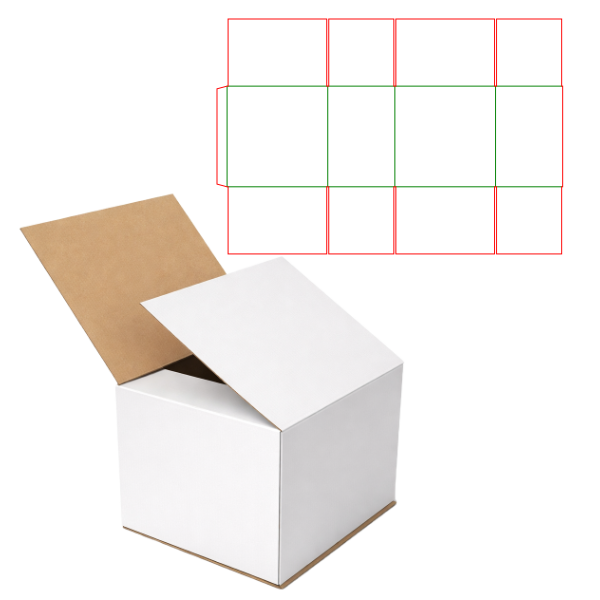
This box is a heavy duty full overlap slotted container designed for strong packaging and shipping of heavy or fragile items.
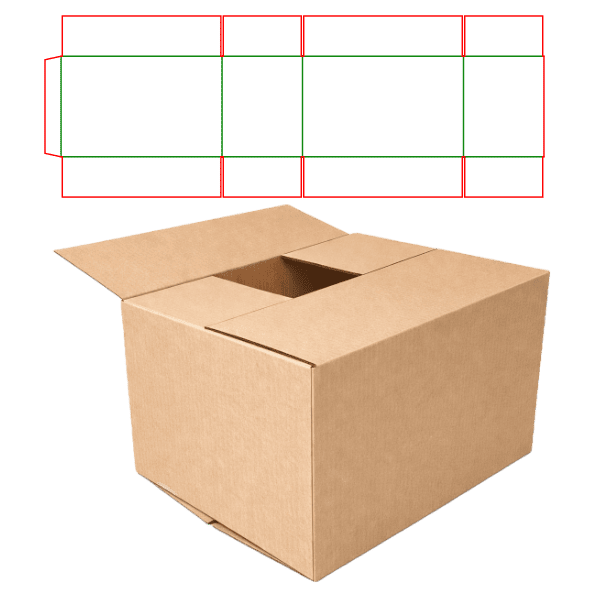
Ideal for e-commerce orders, clothing, accessories, and mixed items. A versatile box for all-purpose packing.
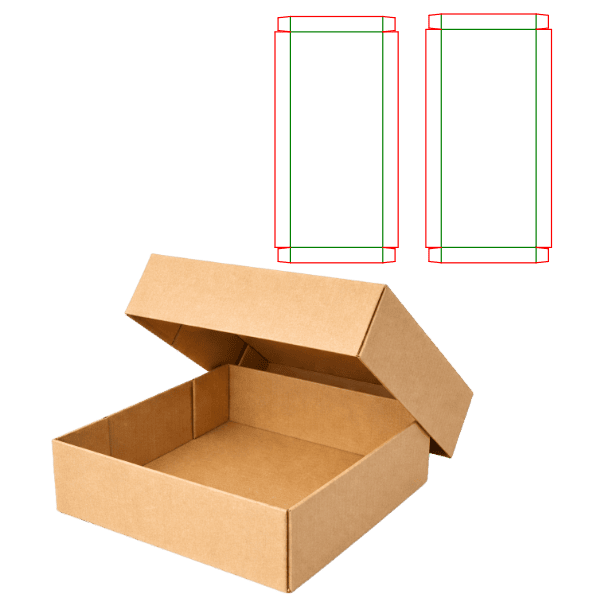
Box dieline with a separate lid and base.
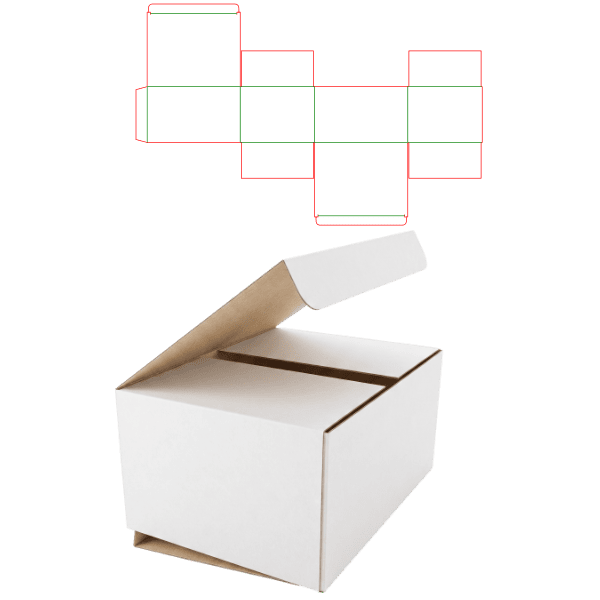
Tucks shut at both ends — clean, professional retail cartons.